
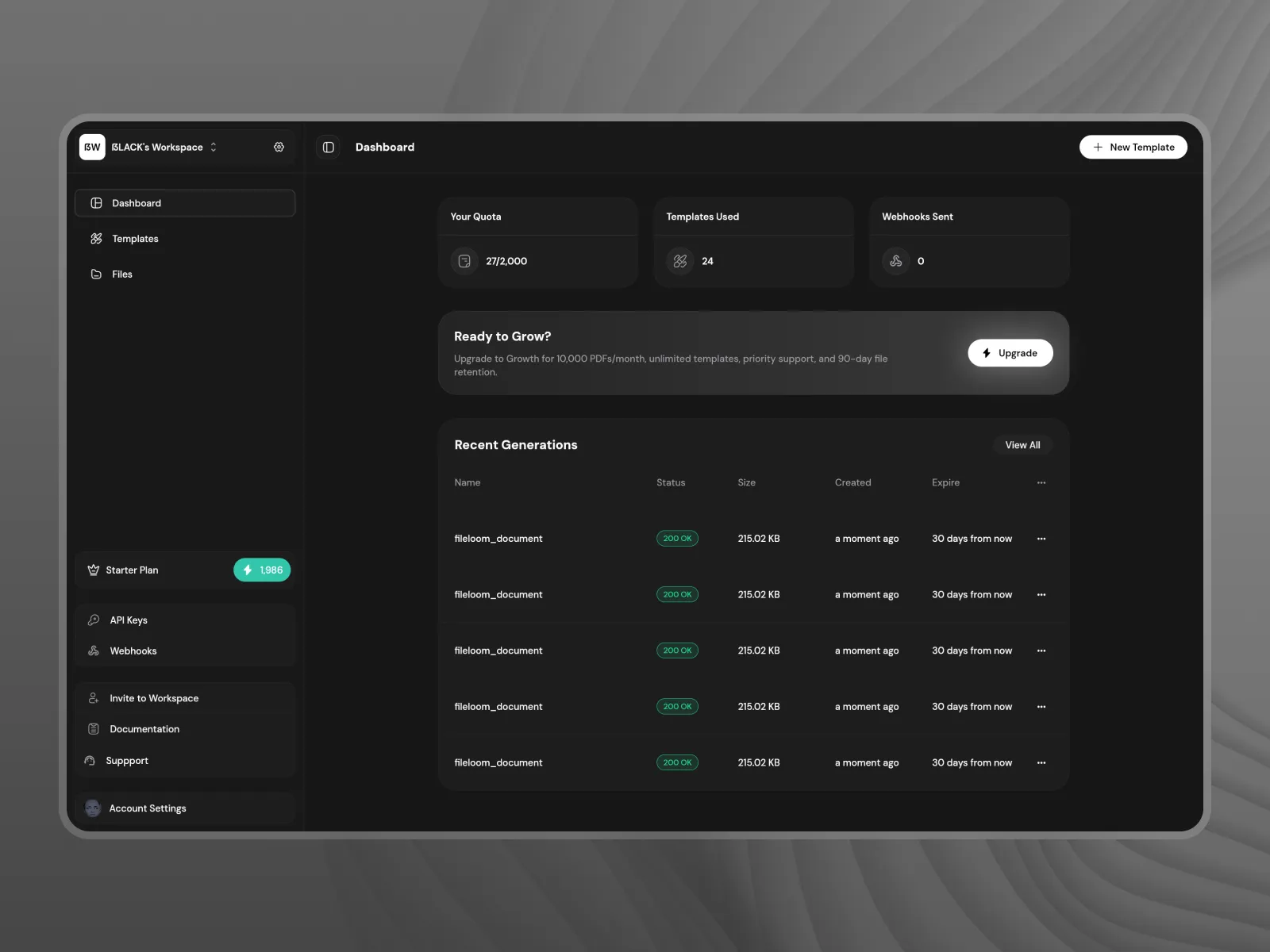
Fileloom
A PDF engine exposed as a developer API, built to generate and process documents at scale.
United States
Web applications get hard in a specific place: the moment more than one person uses them at once, with different permissions, on data that matters.
That is the part we engineer for. Not the screens, which are the visible part, but the permission model, the data model, and the failure behaviour underneath. Those three decisions determine whether the product is still pleasant to work on two years from now.
Speed is not something you add at the end. It comes from choices made early: what gets rendered on the server, what the database is asked to do, what is cached and for how long, and how much JavaScript reaches the browser at all.
We set performance budgets in the first sprint and hold to them. A page that loads in under a second on a mid-range phone on a mediocre connection is the target, and it is achievable far more often than most teams assume.
Every serious application talks to something else: a payment processor, a CRM, an accounting system, a government API. These are where systems quietly break.
We build integrations with retries, idempotency, and a dead-letter path for the messages that fail, so a third-party outage degrades your product instead of corrupting it.
We are comfortable being the whole engineering team and equally comfortable being part of one. If you have in-house engineers, we work in your repositories under your review process, and we leave behind code they can read without a translator.
A website is read. A web application is used. If people log in, enter data, and the system does something with it, you need a web application, and the engineering questions are entirely different: state, permissions, concurrency, and what happens when two people edit the same record.
TypeScript on both ends for most projects, React or Next.js on the front, Node.js or Python on the back, PostgreSQL underneath. We are not religious about it. If your team already runs Django or Rails and will maintain the result, we build in what they know.
Yes, and it is common. We embed alongside in-house teams, take a defined slice of the system, and work in your repositories, your review process, and your sprint cadence.
We design for the load you will have in eighteen months, not the load you have today, and we say no to architecture you do not need yet. Most systems do not need microservices. They need the right indexes, a cache in the right place, and queries that were written on purpose.
We offer a support retainer covering monitoring, dependency and security updates, and an agreed response time for incidents. If you would rather take it in-house, we run a handover: documentation, a walkthrough with your engineers, and a period where we are on call while they take over.
Related work
A PDF engine exposed as a developer API, built to generate and process documents at scale.
United States

An experimental newsletter and news site operated end to end by an AI pipeline, from selection to publication.
United States
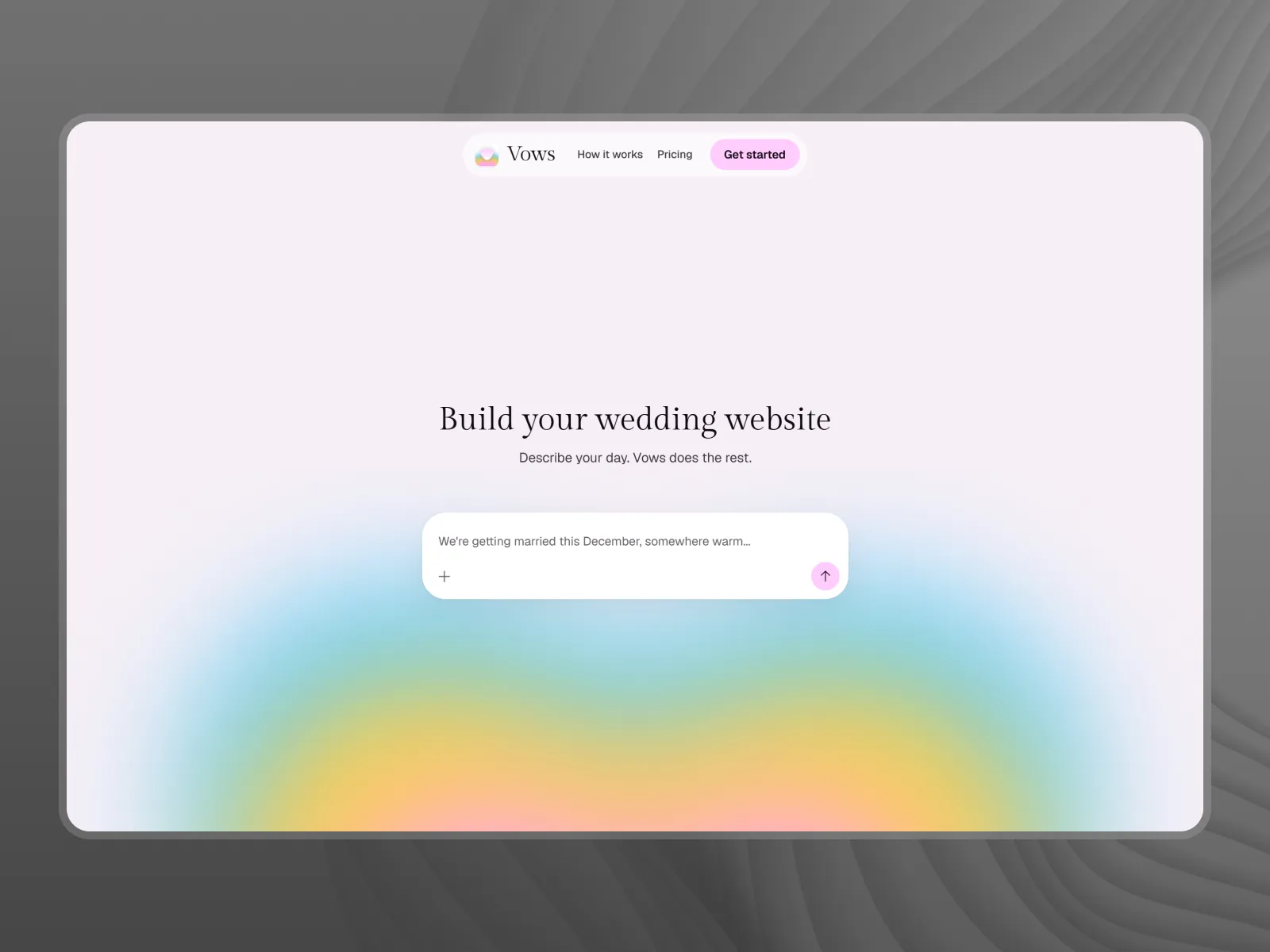
A wedding website you build by describing it. Couples write about their day in plain language and the site writes itself, on its own address.
United States
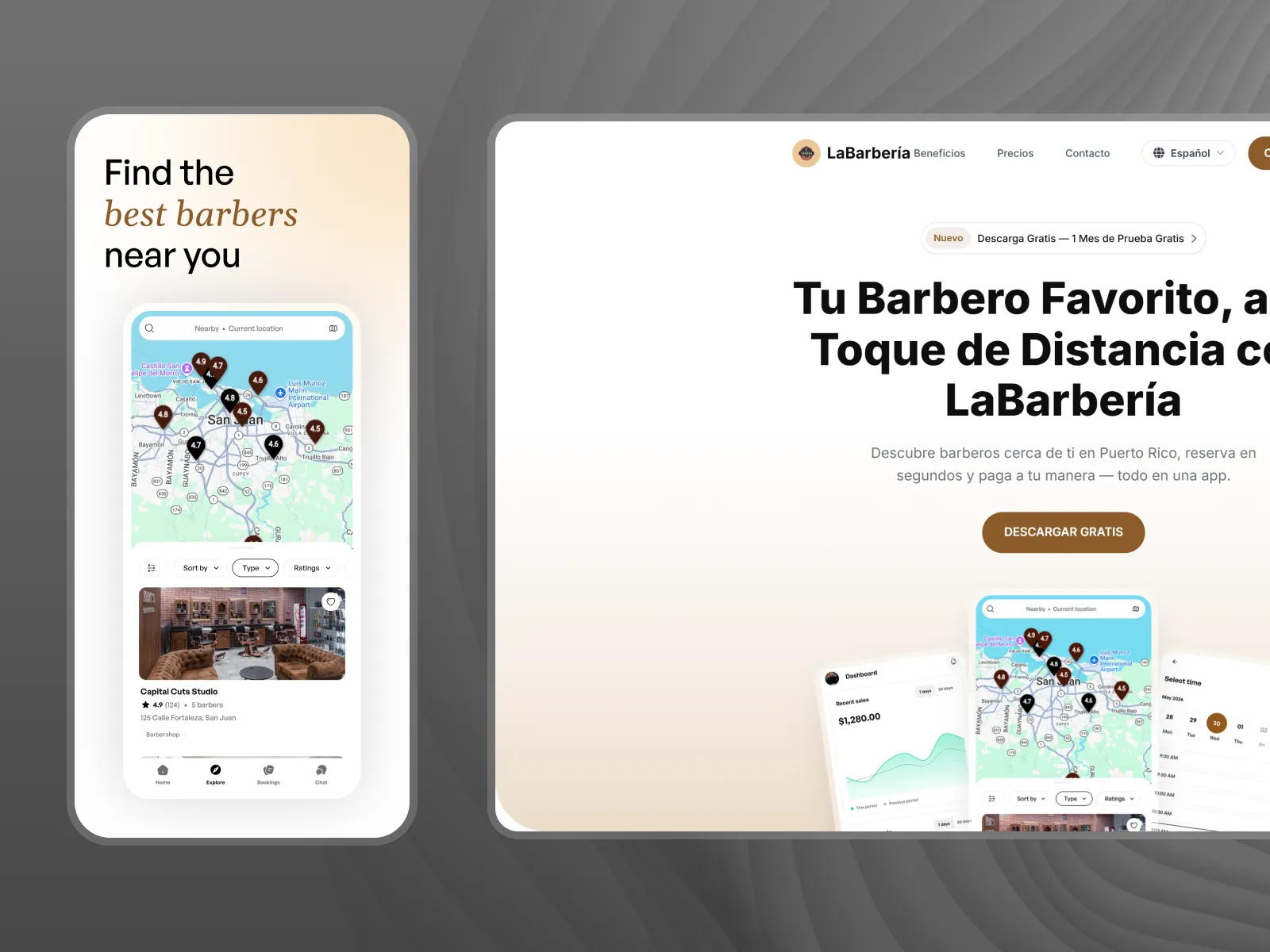
A two-sided booking marketplace for barbers in Puerto Rico, with real-time availability, direct payouts, and a $1 booking fee instead of a commission.
Puerto Rico